

What links a film set in the 1920s on an isolated Irish island and the 21st century memoir of an Australian author?
The answer: friendship. More particularly, the fracturing of friendship.
The Banshees of Inisherin and True Friends
The Banshees of Inisherin, by renowned Irish playwright and screenwriter Martin McDonagh, follows the story of long-term friends Padraic and Colm, both residents of the island of Inisherin.
The two men see each other every day when Padraic collects Colm en route to the pub. Once there, they sit and drink and talk.

Abruptly, and seemingly without cause, Colm ends their daily interaction, leaving Padraic confused and bereft.
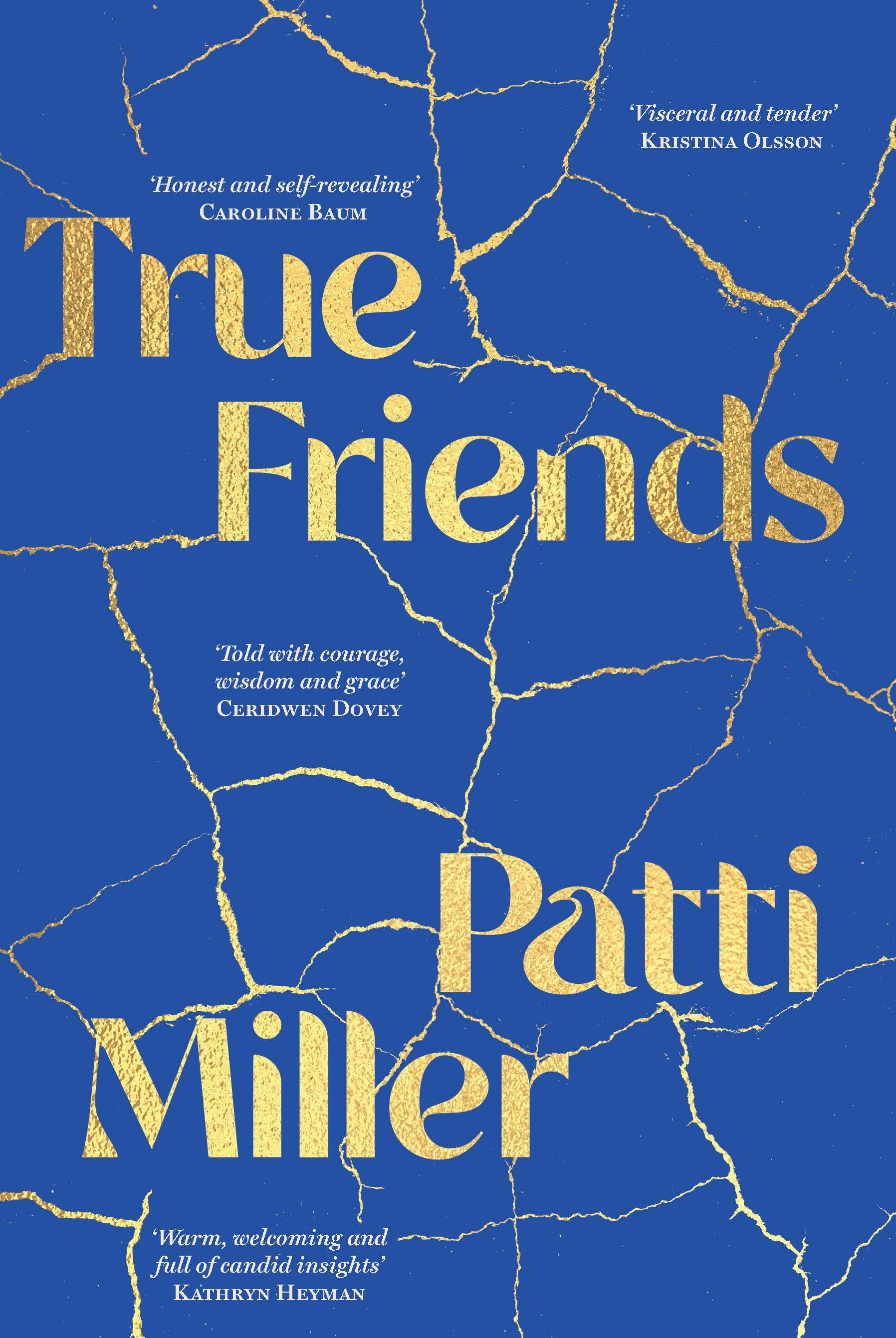
Patti Miller, in her memoir True Friends, is likewise puzzled and saddened when her friendship with Gina ends. She and Gina had met in the Sydney suburb of Balmain in 2003 and Patti knew instantly that they would be friends.
The friendship, conducted across continents, was intense and absorbing but it did not last.
Unsure of the cause or even the exact timing of the fracture, Patti is certain of one thing: ‘What matters is that [the friendship] did end and I don’t know why.’
Padraic and Patti share a bewilderment. Dogged and wounded, they each attempt to repair the irreparable. And when that fails, they want an answer to the question ‘why did our friendship end?’
Padraic Suilleabhain
Padraic turns to his community for help.
His fellow villager, Dominic, has no patience with Padraic’s grief. (As it turns out, Dominic has griefs aplenty of his own.) The young man tells Padraic he won’t abide his whining about Colm. Somewhat brutally, he observes that Colm’s decision has given him the look of a man with a weight lifted from his shoulders.
Padraic then seeks an answer from his sister, Siobhan.
With blunt but simple wisdom, Siobhan says: ‘Maybe he just doesn’t like you no more.’
Unsatisfied with this uncomfortable possibility, Padraic seeks out Colm: ‘If I’ve done something to ya just tell me what I’ve done to ya, and if I’ve said something to ya … then tell me what it was and I’ll say sorry for that too, Colm. With all me heart I’ll say sorry.’
But Colm declares that Padraic has neither done nor said anything injurious. Instead, he confirms Siobhan’s verdict: ‘I just don’t like you no more.’
The following day, Colm, a musician, offers some clarity: ‘I just have this tremendous sense of time slipping away on me, Padraic, and I think I need to spend the time I have left in thinking, and composing, and just trying not to listen to any more of the dull things that you have to say for yourself.’
To reinforce his determination to end the friendship, Colm warns Padraic that he will cut off one of his own fingers each time Padraic tries to re-engage. The fiddle-player is true to his word and, when Padraic continues his attempt to restore their friendship, the digits on Colm’s hand decrease one by one.
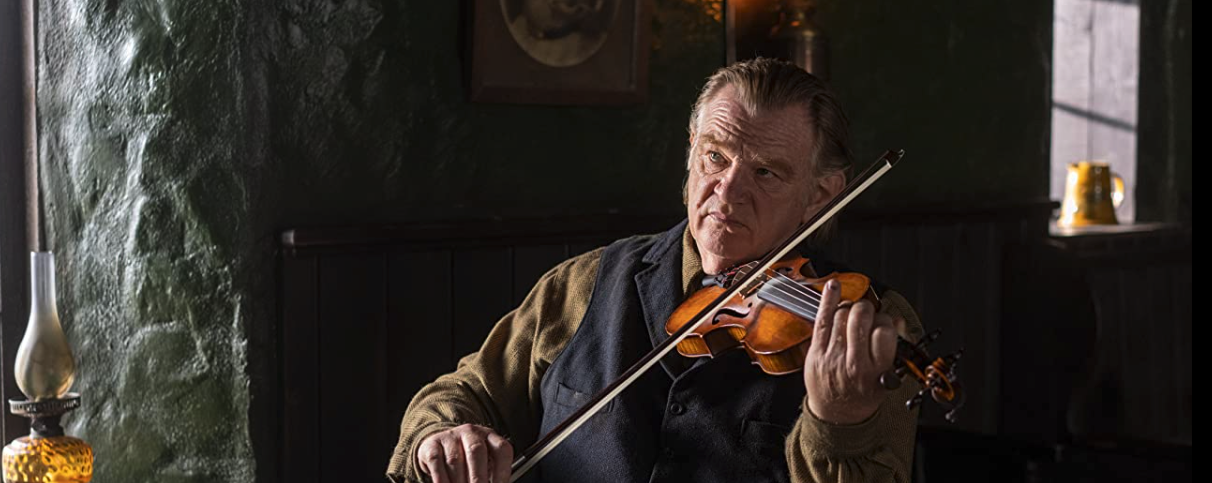
But still Padraic is unable to accept his new reality. He goes to the pub and orders two drinks. ‘I thought I’d just have a sit for meself, y’know? Wait for me friend’, he tells the barkeeper.
Padraic persists in grappling with Colm, telling his former friend (he of the decreasing number of fingers): ‘There’s two of us in this!’
‘No, there isn’t’, says Colm.
When Padraic counters, ‘it takes two to Tango’, Colm simply says, ‘I don’t want to Tango.’
The fracture in their friendship is permanent.
Patti Miller
Whereas Padraic reaches outward for answers, through direct conversations with Colm and his fellow islanders, Patti turns inward. She takes counsel from neuroscientists and memory researchers. Hers is an interior, cerebral task.
Patti mines the storehouse of human knowledge for gems that will enlighten her own experience of friendship. She delves into the workings of salience (why we remember certain aspects of our experience but not others), she studies the peak-end rule (our ‘cognitive bias for remembering intense moments’) and she discovers the way our hippocampus ‘puts together a memory’ while ‘we don’t notice its editing work’.
Perhaps these gleanings help her understand how the ground of friendships is formed but they seem not to illuminate her quest to discover why the ground breaks up. And, unlike Padraic, she receives no clues from her former friend. Gina has simply vanished from Patti’s life without explanation.
Still in pursuit of an answer, Patti reflects on the many friendships she has shared throughout her life – school friends, university friends, hippy friends, writing friends, friends of friends. To explore the breakdown of her friendship with Gina, Patti mines her entire ‘friendship history’:
‘I want to see, in the end, how these friendships have made me, the ones that have abided and those that haven’t.’
What does she learn? Although charting a different course through her grief, Patti discovers the same truths as Padraic: ‘Both people must want a reconciliation.’ And despite Patti’s yearning to re-ignite her friendship, Gina’s silence conveys the same message as Colm’s candid declaration: ‘I don’t want to Tango.’
Our friendships make us
Patti understands that our friendships make us. As True Friends unfolds, she explores the way her friendships have offered her ‘not only a delineated self, but the reassurance of a living self’. Writing of one friendship in particular, Patti is put in mind of Sixo’s words in Toni Morrison’s Beloved: ‘She is a friend of my mind. She gather me, man. The pieces I am, she gather them and given them back to me in all the right order.’
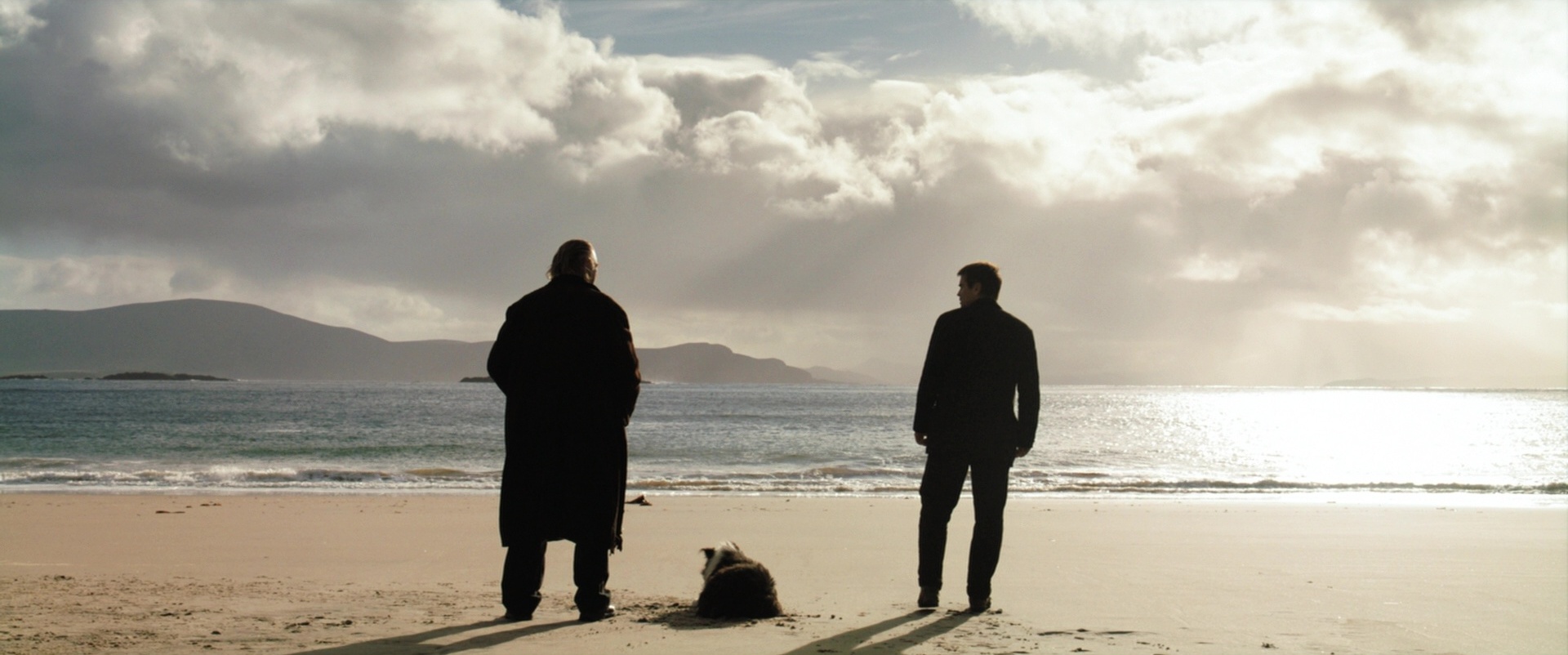
In The Banshees of Inisherin’s closing scene, Padraic enunciates the flip side of this sentiment. Encountering Colm on the beach, he muses: ‘I was nice, before all this. I don’t know what I am now.’ It is a plaintive cry. His sense of self, long reflected through his friendship with Colm, is shattered.
What remains
Patti is wise to the reality that, in times of extremis, we need ‘a friend from long ago. When your body or heart has shattered, there must be someone you don’t have to be anything for; not clever, not beautiful, not charming, not consistent, not wise, not interesting, not even good.’
But what happens when that ‘friend from long ago’, the person to whom Padraic and Patti would instinctively turn, is no longer available? How do they re-form their shattered selves?
The prospects for Patti seem more promising than those for Padraic. Patti has a family to uphold her, she has other friends who care for her, she has people in her life with whom she can puzzle out her confusion. Padraic is not so fortunate. In the course of McDonagh’s filmscript, Padraic loses (through various unconnected events) not just his closest friend but also his sister Siobhan, his fellow islander Dominic and his beloved donkey Jenny. He is truly bereft.
But what Padraic and Patti do retain, wittingly or not, are those aspects of themselves that were formed in the crucible of their respective friendships. The self that grieves is the same self that has been made, in part, through their now defunct friendships.
And here’s the rub. This also holds true for Colm and Gina. Despite parting ways with Padraic and Patti, they too have been shaped by their now discarded friends. Perhaps that knowledge could offer some small consolation for Padraic Suilleabhain and Patti Miller.
Links and sources
- The Banshees of Inisherin by Martin McDonagh, Searchlight Pictures, 2022
- True Friends by Patti Miller, University of Queensland Press, 2022
- ‘Patti Miller: Writing and Teaching’, Life Stories
- Beloved by Toni Morrison, Vintage Classics, 1987, 2022
- Featured image: Ceramic vessel, Kintsugi, by Haragayato, CC BY-SA 4.0, via Wikimedia Commons


 Thoughts from an Idle Hour
Leave a comment